

Okay, so check this out—DeFi feels like the Wild West sometimes. Whoa! You get a rush when a swap lands the way you hoped, and then your stomach drops when you mis-click a permission prompt. My instinct said that browser extensions are convenient, but something felt off about trusting them blindly. Initially I thought all wallets were roughly the same, but after testing a few I realized the differences are big and often subtle, like UX choices that mask dangerous defaults.
Here’s the thing. Extensions live inside browsers, and browsers are designed to run arbitrary web code. Short sentence. That combo creates a big attack surface. Phishing, malicious dapps, compromised RPC endpoints, and careless approval flows are common failure modes. On one hand a wallet can make signing flows simple; on the other hand simple can mean permissive by default—though actually, wait—permissive defaults are a design failure more than a technical one.
In my early days I lost a small amount because I auto-approved a transaction without checking the calldata. Seriously? Yeah. That memory still bugs me. After that I adopted a checklist: verify domain, check the method, confirm amounts, and use a wallet that shows clear warnings for allowances. Those steps are boring, but they save headaches.
Common attack patterns and what to guard against
Phishing sites that mimic exchanges and farms are everywhere. Medium-sized paragraph here. They’ll trick you into connecting and signing a harmless-looking approval that later lets a rogue contract drain funds. My gut says don’t trust any approval you don’t understand. Now, how to act practically? First, limit approvals by scope and duration. Second, use separate addresses for trading and long-term storage. Third, vet the wallet UI: does it show contract addresses and call data in plain language?
RPC manipulation is underrated. If a dapp suggests an RPC or your extension switches endpoints, it can hide chain state or replay transactions. Hmm… that made me change how I connect. I now prefer wallets that let me pin trusted RPCs and alert me when an RPC changes unexpectedly. Some wallets even auto-detect suspicious RPC behavior—handy, but not foolproof.
Another common tactic: social-engineering the user into approving an unlimited allowance. Long sentence warning: once you give unlimited approval to a token, any contract can pull your tokens anytime, so the safer approach is to approve specific amounts for specific contracts and to revoke allowances regularly using on-chain tools. It’s tedious, but very very necessary.
Let me be candid: UX matters more than we admit. If a wallet buries warnings under layers of clicks, people will click through. Design can nudge safety, or erode it. I’m biased toward wallets that make the risky choices harder and the safe choices obvious.
Why Rabby stands out for everyday DeFi users
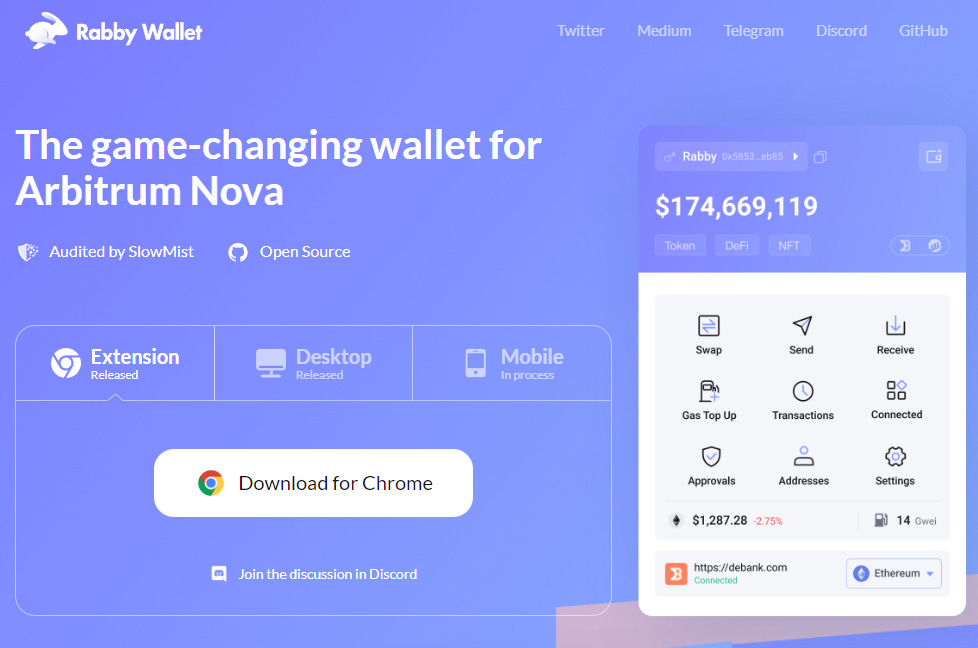
I’ll be honest—no wallet is perfect. But Rabby has some features I genuinely appreciate. It separates account types so you can keep trading and savings separate, and it surfaces transaction details in a way that reduces surprises. My instinct said it was promising from first use, and deeper testing backed that up. Check the Rabby wallet when you want more clarity; the link for download is right here: rabby wallet.
Rabby offers transaction previews with decoded calldata and highlights risky approval requests. Short note. That matters because most users don’t read raw calldata; decoding helps. Also, Rabby lets you manage approvals easily and shows an overview of active allowances. Oh, and by the way… it supports multiple chains with clear network labels, which avoids the classic mistake of executing on the wrong chain.
Security isn’t just features. It’s defaults. Rabby tends toward safer defaults: limited token approvals, clearer confirmations, and more deliberate steps for signing complex permissions. On the other hand, power users might find some clicks annoying. That’s a tradeoff I accept. I prefer extra friction rather than a surprise drain.
Practical checklist before you hit “Confirm”
Short one. Read carefully. Match the domain to the dapp you expect. Confirm the contract address if available. Check the token and amount. Verify gas and chain. For approvals, set specific amounts and use revocation tools afterward. Keep a separate hot wallet for day-to-day trading and a cold or hardware wallet for long-term holdings. If a signature request looks odd, pause. Seriously. Ask in a trusted community or verify on Etherscan.
Also, maintain browser hygiene. Disable unnecessary extensions. Use a dedicated browser profile for crypto activity, or better yet, a separate browser entirely. That reduces cross-extension risks. I follow this personally—my crypto profile has three extensions: wallet, block explorer helper, and a password manager. Minimal is safer.
One more practical tip: pin RPCs and don’t let unfamiliar endpoints become defaults. If a dapp suggests switching RPCs, treat that as a red flag until you can verify why. And keep your software updated. Simple but true—updates patch vulnerabilities, though sometimes they also change UX in ways you must relearn.
FAQ
Is a browser extension wallet actually safe?
Short answer: It depends. Extensions can be quite safe if you follow good practices: use trusted wallets, limit approvals, keep separate accounts, and maintain browser hygiene. Long answer: security is layered—wallet software, browser hygiene, personal behavior, and network-level protections all matter.
What makes Rabby a good choice?
Rabby emphasizes explicit confirmations, decoded calldata, and better allowance management. Those features reduce accidental approvals and make risky transactions more visible. I’m not saying it solves everything, but it reduces common failure modes I’ve seen in other wallets.
Hardware wallets—are they overkill?
No. For large balances they’re worth it. Hardware wallets reduce online private key exposure. Use them for savings and a browser extension for active trading, or combine both: Rabby supports hardware integration so you can keep convenience without sacrificing security.