

Whoa! Really? Okay, hear me out. Phantom felt instant, smooth, and shockingly well-designed for a browser extension. At first blush it seemed like just another crypto wallet, but then it kept surprising me in small, useful ways that mattered during real use. My instinct said: this could actually make Solana feel approachable for people who aren’t deep into wallets yet, and that gut feeling stuck with me as I dug deeper.
Hmm… Initially I thought browser wallets were all about flashy UI and risky defaults. Something felt off about that idea though, because Phantom mixes convenience with thoughtful defaults that reduce common user mistakes. On one hand it auto-blocks suspicious sites visually, though actually it lets you control permissions granularly which is a huge relief. I tested it across Chrome and Brave, and the experience was consistently fast even while juggling multiple dApps. That speed matters when you’re hopping between a DEX, an NFT drop, and a staking dashboard.
Here’s the thing. Wallet security can be boring until something goes wrong. Phantom keeps seed phrases, allows hardware wallet connections, and prompts you clearly when a signature request looks unusual. My workflow now includes validating every signature on the Ledger I have paired, because I’m biased toward hardware confirmations; it just feels safer. There are caveats—like any extension, phishing risk persists if you click whatever pops up in a sketchy Discord link—so user care still matters. Still, for day-to-day DeFi moves on Solana, the balance of convenience and protections is solid.
So what does Phantom actually do well? It streams wallet balances, NFTs, token swaps, and staking options without making you dig through menus. The swap feature routes through best-price paths on Solana DEXs and is pleasantly simple for quick trades. For collectors, the UI lays out NFTs in a gallery that’s easy to scan, which I appreciate after wrestling with clumsy viewers elsewhere. On the tech side it uses Solana’s RPC calls efficiently, which explains why loading is snappy even during busy cluster times. I won’t pretend it’s flawless—there are occasional RPC hiccups that feel very Solana-specific—but Phantom handles retries gracefully enough.
Okay—let me be honest: some things bug me. The mobile-to-extension handoff still feels a little clunky when you’re switching from browser to phone for confirmations. Also, sometimes transaction memos disappear in the UI though they hit the chain; small annoyances, not dealbreakers. Initially I thought the UI would be too minimalist, but actually that minimalism reduces friction for newcomers while still letting power users dig into advanced settings. On the whole, Phantom’s design choices favor sane defaults without hiding control behind walls of jargon. I’m not 100% sure every dev agrees with those defaults, but they work well for broad audiences.
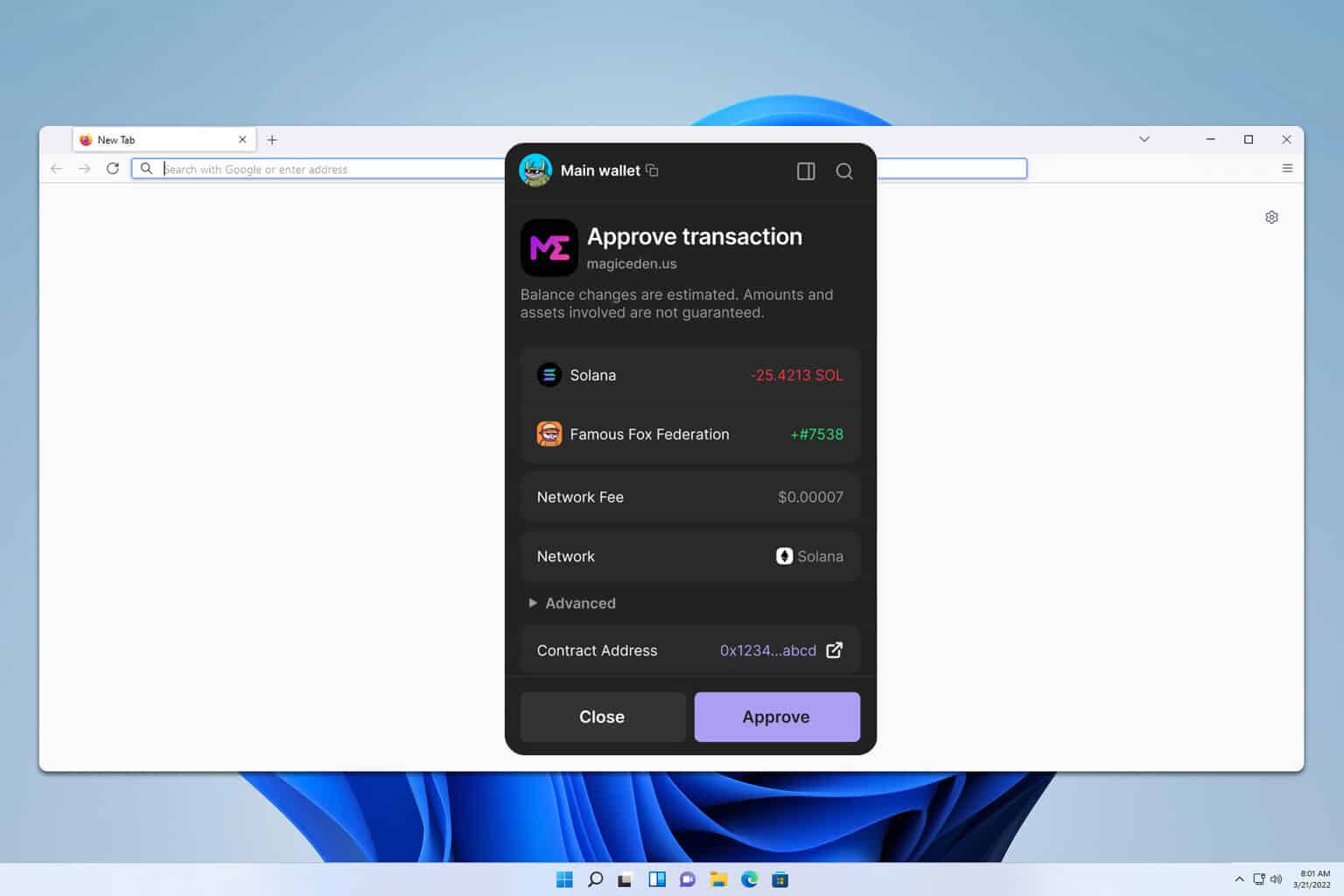
When I walked friends through their first Solana transaction, Phantom’s extension made it approachable. Really. The signature prompts are readable, the connection dialogs show the origin domain, and there are clear warnings for unusual requests. That kind of clarity reduces accidental approvals and keeps onboarding less scary. Of course, you still need to teach people about seed phrases and phishing—education can’t be replaced by UI alone—but Phantom gives you better tools to teach with.
For developers and power users there are subtle strengths too. Network switching, custom RPC entries, and token import options are accessible without cluttering the main flow. I started testing custom RPC endpoints for low-fee devnets, and Phantom handled them without fuss. There are extension APIs that many dApps integrate with, which cuts down on friction during development cycles. On the flip side, permission grant dialogs could display more metadata about requested RPCs or scopes—I’d prefer extra transparency there, especially when using third-party RPC providers.
Alright, if you want the short recommendation: try it. If you want the practical how-to, check this link for the official installer and setup guidance when you install it as a browser extension: phantom wallet download extension. Follow the prompts, write down your seed phrase offline, and pair a hardware wallet if you care about extra security. Oh, and by the way, keep backups in multiple secure places—somethin’ like a fireproof safe and an encrypted password manager is my routine.
Real-world workflow tips
Start with small txs to learn the signature flow. Seriously, make a $1 transfer first just to see the motions—it’s a cheap lesson. Disable auto-connect for sites you don’t recognize and only enable approvals for dApps you trust. If you’re chasing NFT drops, pre-fund your wallet and avoid clicking unknown mint bots; that advice is basic but very effective. For staking, Phantom surfaces validator info and estimated yields, though I personally cross-check validators on a block explorer before locking anything up.
One more note about privacy: Phantom doesn’t magically anonymize your on-chain footprint—Solana is transparent, and wallet addresses link publicly to activity. If privacy is the main goal, consider dedicated privacy tools and tactics rather than relying on a general-purpose extension. On the other hand, Phantom minimizes telemetry noise and focuses on UX, which is what most casual users want. My instinct says that balance is why so many people pick it up first.
FAQ
Is Phantom safe for storing large amounts of SOL?
Yes and no. Phantom is a reputable wallet, supports hardware wallets like Ledger, and uses sensible UI prompts to prevent accidental approvals. However, for very large holdings you should pair it with a hardware wallet or cold storage solution and avoid keeping large sums in a browser extension alone—defense in depth matters.
Can I use Phantom on multiple browsers and devices?
Absolutely. You can install the extension across Chrome, Brave, Edge, and other Chromium-based browsers, and there’s also a mobile app variant for on-the-go access. Just be careful with seed phrases and always re-seed from your secure backup rather than copying seeds between devices insecurely.